
We want to start this off with some good ol’ honesty, 100%: A full-on vegan diet isn’t the sole approach to achieving clean, healthy eating (we’ll be posting blog content on other just-as-effective alternatives, for those of you who want to go Flexitarian instead). That said, we’re with you if you’ve finally decided to live the vegan way!
We’ve created a lineup of 8 best vegan tips for beginners recommended by registered dietitians and dietitian nutritionists (RDs and RDNs) to help you on your journey towards plant-based living.
Becoming A Vegan Tips: Best Vegan Tips For Beginners
- Take It Slow
Do NOT do a 360 and switch to a vegan diet in a day. It’s a step-by-step turnover, and many have made the mistake of crashing and bouncing back into their non-vegan habits faster than they could say “moo.”
Be patient with yourself. Learn to appreciate the process.
First, select a meal (breakfast, lunch, or dinner) and replace it with a vegan alternative. Next, follow through for a week, two weeks, etc. If you think you need to add an extra few weeks to get used to the change and new tastes, do it.
It’s your pace, so pace yourself. Not redundant. Just practical, self-loving, and healthy.
Why Take It Slow:
- Helps your gut biome adapt naturally
- Avoids nutrition gaps
- Reduces the risk of brain fog, energy dips, and weak immunity
- Strengthens your mental and emotional capacity for a sustainable diet shift (no burnout or frustration)
- Love Those Veggies
Your plate is the stage, and veggies are the stars of the show. Instead of stressing over what you can’t have, think of what you can. Trust us (rather, trust the RDs and RDNs) when we say there’s plenty.
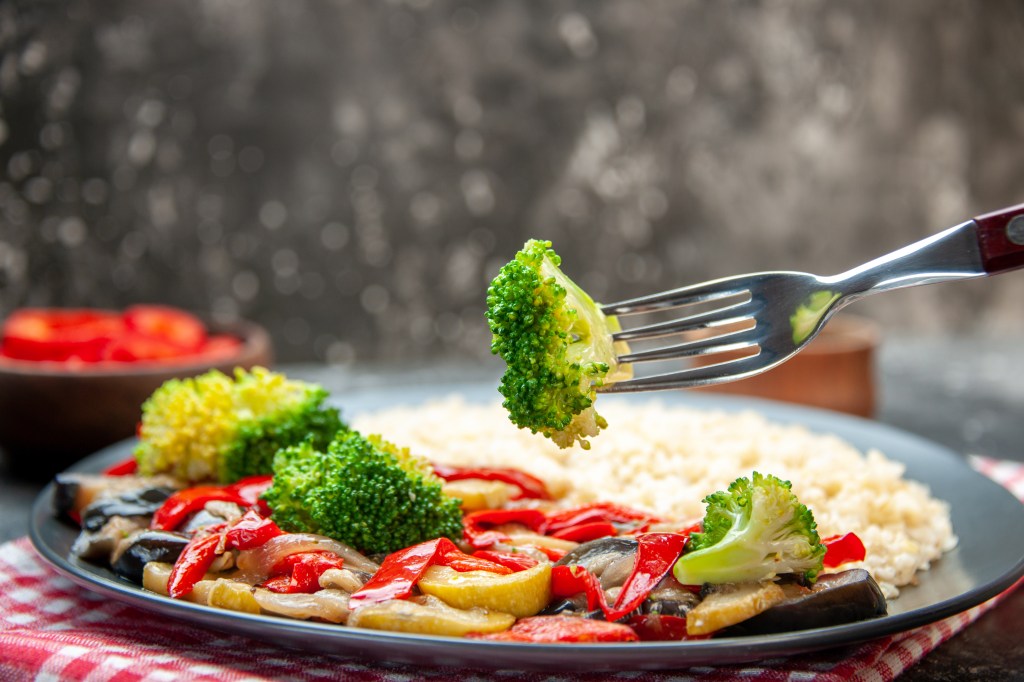
You’ll be surprised at how nutrient-dense vegetables are. Nutrients you once thought were associated with meats are in them, too! Below is a vegan tips and tricks slash vegan food list of 15 vegetables to bring into your meals:
| Vegetable | Nutrients |
| Broccoli | Vitamin C, Vitamin K, Folate, Fiber, Iron, Calcium, Antioxidants |
| Spinach | Iron, Calcium, Vitamin A, Vitamin C, Vitamin K, Folate, Magnesium |
| Carrots | Beta-carotene (Vitamin A), Vitamin K, Potassium, Fiber, Antioxidants |
| Kale | Vitamin K, Vitamin C, Calcium, Fiber, Iron, Manganese, Antioxidants |
| Sweet Potatoes | Beta-carotene (Vitamin A), Fiber, Vitamin C, Potassium, Manganese |
| Zucchini | Vitamin C, Potassium, Manganese, Fiber, Antioxidants |
| Onions | Vitamin C, B6, Folate, Potassium, Antioxidants (quercetin) |
| Corn | Fiber, B vitamins, Vitamin C, Magnesium, Carbohydrates |
| Cauliflower | Vitamin C, Vitamin K, Folate, Fiber, Choline, Antioxidants |
| Bell Peppers (esp. red) | Vitamin C (more than oranges!), Vitamin A, B6, Folate, Antioxidants |
| Garlic | Manganese, Vitamin B6, Vitamin C, Selenium, Antioxidants |
| Mushrooms (technically “fungi”) | B Vitamins (Riboflavin, Niacin), Selenium, Potassium, Copper, Vitamin D (if UV-exposed) |
| Cabbage | Vitamin C, Vitamin K, Folate, Fiber, Antioxidants |
| Chilli Peppers | Vitamin C, Vitamin A, Capsaicin (a natural metabolism booster) |
| Sea Veggies (e.g., Nori, Dulse, Wakame) | Iodine, Iron, Calcium, Magnesium, B Vitamins |
- Plan Your Meals With Variety & Big-Batch Cook
A vegan diet plan is never a boring one. Shocked? So were we. The secret is variety. Explore recipes. Dive into vegan resources. A salad isn’t the only vegan meal there is. If you’re as novice to cooking as you are to veganism, there are countless vegan cooking blogs and vlogs for beginners (Wellness Room Journals, included).
Tip: Do your groceries and cook with the colors of the rainbow.
Try batch cooking. It’s practical, efficient, and light on the wallet. It makes vegan meal-prepping sustainable, and you’ll experience how hassle-free it can be. It’s the perfect solution for busy weekdays or weekends when cooking every day isn’t possible.
Experimenting with big batches also allows you to maintain a vegan lifestyle, without breaking it mid-day or mid-week (since you’re able to spread out your big-batch dishes to several meals on end).
- It’s Not Wholly About Veggies
Being vegan doesn’t restrict you to nothing-but-veggies. There are other delicious, natural, vegan eats to include in your shopping cart:
- Fruits
- Whole grains
- Nuts and seeds
- Plant-based milk and dairy alternatives
- Vegan-friendly breads, pastas, and cereals
- Condiments and herbs (flavorings)
- Tofu and other soy products
- Vegan snacks and treats (think popcorn, vegan ice cream, dried fruits, granola bars, dairy-free dark chocolate, hummus, etc.)
The word “variety” is probably making a lot more sense to you now. As you discover firsthand how to get creative with meal plans, you’ll find it easier to bring nature’s colors to your homemade vegan cuisine and snacks.
- There’s Flavor & Joy In Vegan Food
Similar to the myth that going vegan equates to living off salads, another untruth is that vegan food is devoid of any flavor—and, therefore, of any sense of joy.
Not at all.
Vegan or not, flavors uplift what you eat and drink. There are vegan dips, sauces, condiments, and herbs that bring the fresh tastes of vegan food to life. However, be sure to check on calories (if you’re calorie-counting), added sugars, and other additives to avoid pouring junk on your vegan dishes.
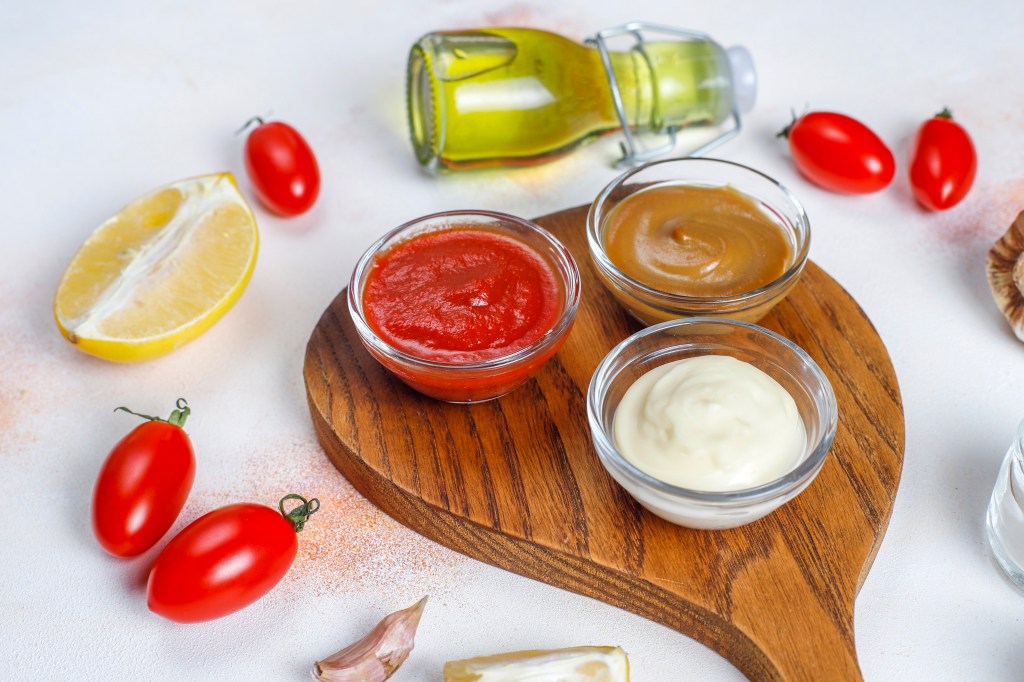
Layer up with tahini, guacamole, seeds, and herbed sauces and pastes to transform ordinary vegan bowls into lip-smack-worthy cuisine.
Simultaneously, play around with textures like crushed nuts and crunchy toppings, and creamy dressings to replicate the richness of non-vegan food.
Call it a hack for loving your new vegan diet plan: deliciously prepared food is a sure shot to successfully adjust to a vegan lifestyle. It becomes less of a chore and more of something you’ll actually enjoy.
- Plant-Based Proteins & Whole Grains
Whole grains and plant-based proteins are a powerful foundation for plant-forward living. Quinoa, brown rice, oats, farro, millet, and barley are nutrient-dense whole grains. They deliver big per handful, and are excellent sources of complex carbohydrates. Being that they’re minimally processed, they retain much of their bran, germ, and endosperm, so you get a good amount of their original nutrients, fiber, and natural goodness.
Additionally, when opting for a well-rounded, high protein vegan diet, chickpeas, black beans, lentils, and split peas are great options. These legumes feature essential amino acids, fiber, iron, and folate.
For other sources of protein and healthy fats, almonds, cashews, flaxseeds, pumpkin seeds, and chia seeds are it. Meanwhile, sample nut and seed butters such as peanut butter and tahini. They, too, provide you with protein and fats, as well as an impressive dose of plant-based calcium, iron, fiber, magnesium, and Vitamin E.
- Skip Processed Vegan Food
These products may be “certified vegan” in that they don’t contain meat or meat products. Processed vegan food? The word “processed” is in there. It does not imply “healthy,” no matter how many vegan-approved certifications it comes with.
Vegan junk is still junk. Do your due diligence and read through the ingredient breakdown. Whether it’s vegan cookies, vegan chips, plant-based veggie meats, and the like, be aware of what you’re putting in your body.
Often, commercially sold vegan food products include high amounts of sugars, sweeteners, fillers, artificial flavorings, and additives. These harmful add-ons don’t get cancelled out by the fact that they’re meatless.
On that note, the best and safest approach is to prepare your meals with ingredients you’ve picked out yourself. And on days or nights when you’re itching to eat out, opt for places that prioritize whole ingredients. Or at the very least, they should have menus where each item and ingredient is recognizable.
- Eat Out! But Plan To Eat Out Before You Do
You’re not violating some vegan code for wanting to grab a bite to eat in a restaurant. We encourage you to, once in a while, as long as you’ve planned it well in advance.
It means checking the restaurant’s menu prior to your set date, asking about which ones are vegan and which ones are not. Easy.
In parallel, keep a list of vegan restaurants for future eat-outs.
When traveling, no need to panic about looking for vendors or vending machines that offer strictly vegan treats. Pack your own trail mix with any of the ingredients mentioned in the numbers above: seeds, nuts, and fruits are a yummy choice. You can even dehydrate the fruits to prevent them from going bad while you’re on the road (or in the air).
Extra Tip: Fish-Less Omega-3s
Seafood is the most common source of Omega-3s. Nevertheless, don’t despair. In order to give your body what it needs for brain function, heart health, and reducing inflammation, choose chia seeds, flaxseeds, hemp seeds, walnuts, and their oils. These are plant-based alternatives to Omega-3s known as ALAs (alpha linoleic acid).
The body converts ALA in a different manner than it does Omega-3 fatty acids. It’s considered low-efficacy as it’s only partially converted. But it goes without saying that ALA is a good enough alternative.
There are two other vegan Omega 3 fatty acids to complete your intake: EPA (eicosapentaenoic acid) and DHA (docosahexaenoic acid). You’ll find them in algae oil supplements. Algae-based DHA supplements are easily available in big-chain supermarkets.
Wrapping It Up
Don’t stress about going vegan. You’ll soon experience how this transformative journey does the opposite. It frees you from anxieties about your dietary lifestyle and introduces you to natural, plant-based foods you never knew could taste good. All while nourishing your body and mind at the same time.
Share your going-vegan journey with us, and drop a message or send an email. While you’re at it, check out our blog on healthier hydration:
We’re with you.
You got this.
Go ahead and go vegan.
 Wellness Room Journals
Leave a comment